
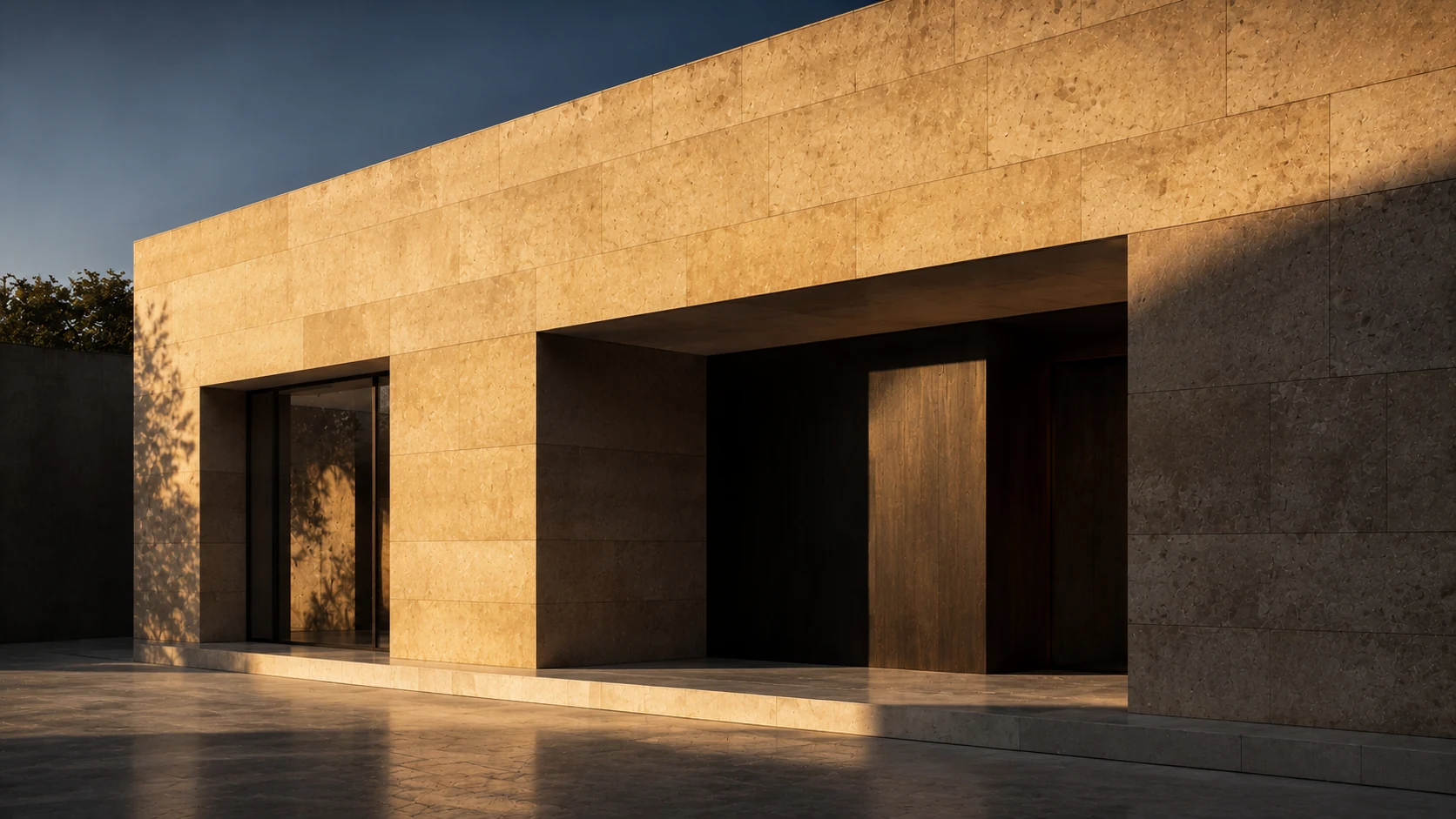
Most luxury projects do not fail on design. They fail in the gap between the designer's intent and the trades on site. The architect signed off a detail, the contractor priced something else, the joiner cannot meet the stone, the lighting is wrong, and the client is now refereeing.
We close the gap. One firm runs the programme, holds the trades to the drawings, and answers for the finish. Contractual and commercial expertise sits inside that team.
From full-house refurbishments to single-room interventions where the finish has to be exhibition standard.
Villa and townhouse new builds, working alongside the architect and the structural team from RIBA Stage 2 onwards.
Boutique hospitality, retail, and private members' interiors where the stone, joinery, and lighting all have to land together.
Programme management against a published schedule. Trade procurement and tender. Cost planning and reporting. Site supervision and quality control. Snagging and handover. Contractual and commercial sign-off. Single point of contact throughout.
Stone sits inside almost every luxury project — kitchens, bathrooms, floors, feature walls. When the project manager is also the stone supplier and fabricator, two of the longest-lead, highest-risk items in the programme stop being a coordination problem and become an internal one.
That is the structural advantage. Everything else — site discipline, cost control, finish quality — we will demonstrate against any other firm you are considering.
We will come back with a programme, a price, and a view on the risks.